


06 Mar Exceptional Female Composers Changing the Face of Film & TV Music
For decades, film and television composition was widely perceived as a male-dominated field. Many of the most recognisable names in film scoring – from John Williams to Hans Zimmer – shaped the sound of modern cinema. Yet throughout that same history, women have been composing powerful, innovative music for screen, often without the same level of visibility.
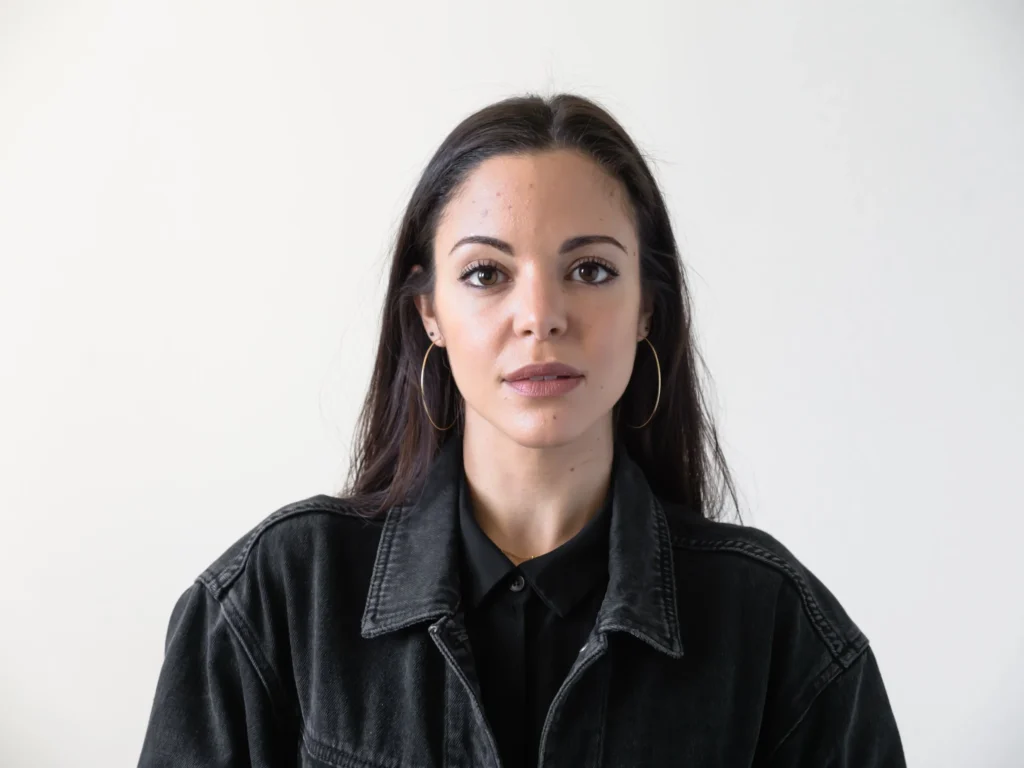
Today, that landscape is changing.
A new generation of female film composers is redefining what music for film and TV can sound like. Their work spans sweeping orchestral scores, experimental sound design, hybrid electronic textures and deeply emotional storytelling. What’s emerging isn’t just a shift in representation – it’s a creative evolution in how stories are told through music.
As audiences and filmmakers embrace broader musical perspectives, women in film scoring are helping expand the emotional language of cinema and television.
The Trailblazers Who Changed the Score
Women have helped shape screen music composition for far longer than many people realise. Early pioneers challenged both technical and cultural boundaries, introducing new sounds and approaches to storytelling.
One of the most influential figures is Rachel Portman, who became the first woman to win the Academy Award for Best Original Score for Emma in 1996. Her music is known for its lyrical orchestration and emotional clarity, demonstrating that film scoring could be elegant, character-driven and deeply expressive.
Another groundbreaking composer, Anne Dudley, won the Oscar for The Full Monty. Dudley brought a unique sensibility to film soundtrack composition, blending orchestral writing with contemporary production techniques that gave her scores a distinctive modern tone at the time.
Meanwhile, electronic music pioneer Wendy Carlos transformed the sonic possibilities of cinema through her synthesiser-driven work on films such as A Clockwork Orange and Tron. Her innovative use of electronic instruments expanded the vocabulary of film music composition and influenced generations of composers.
These composers helped prove that the sound of cinema could constantly evolve – and that innovation often comes from voices willing to challenge tradition.
A New Generation of Female Film Composers
Today, women are shaping some of the most exciting film and television scores of the modern era.
Hildur Guðnadóttir captivated audiences with her haunting, immersive scores for hits like Chernobyl, which used sound recordings from an actual nuclear power plant, and Joker, built around brooding cello textures and stark emotional minimalism – also earning her an Academy Award for Best Original Score.
Pinar Toprak, composer of Captain Marvel, has demonstrated how blockbuster scoring can combine orchestral power with modern production. Her music balances cinematic scale with intricate thematic storytelling.
Other influential composers helping redefine modern film scoring include:
-
- Natalie Holt, whose distinctive electronic-orchestral score for Marvel’s Loki introduced a bold, otherworldly musical identity to the series.
- Germaine Franco, whose vibrant score for Disney’s Encanto blends orchestral writing with Latin musical traditions.
- Isobel Waller-Bridge, known for her work on Fleabag and Emma, bringing playful originality and emotional nuance to her scores.
What connects many of these composers is their willingness to explore new sonic territory. Rather than adhering strictly to traditional Hollywood orchestration, their scores experiment with texture, atmosphere and storytelling through sound.
New Voices in Screen Music
The movement isn’t limited to Hollywood. Across Australia and around the world, talented women are forging exciting careers in screen composition, writing music for film, television, documentaries and games.
One of the most influential figures in Australia’s screen music community is composer Caitlin Yeo, whose work spans award-winning documentaries and feature films. Beyond her composing career, Yeo has played a major role in shaping the Australian industry through education and mentorship, and as a past president of the AGSC. Her advocacy has helped support and elevate the next generation of female screen composers across Australia.
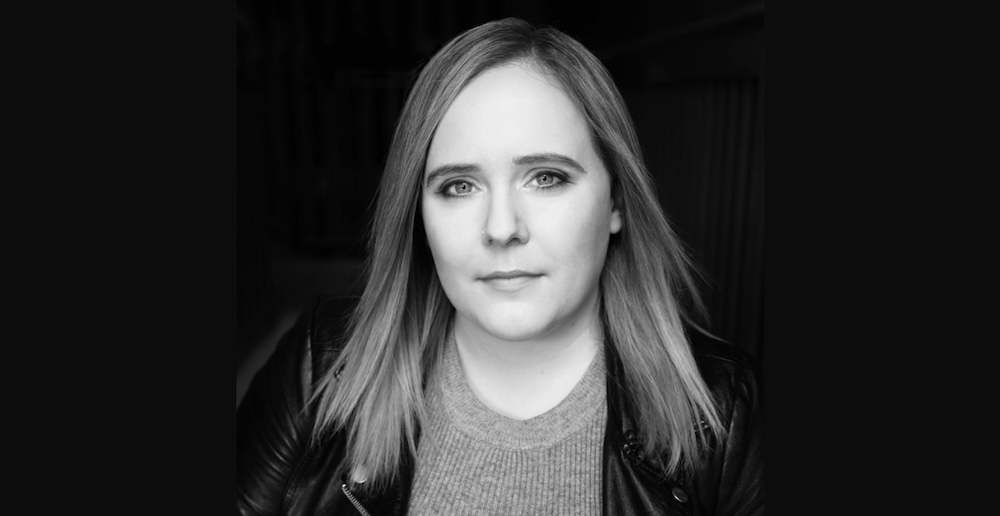
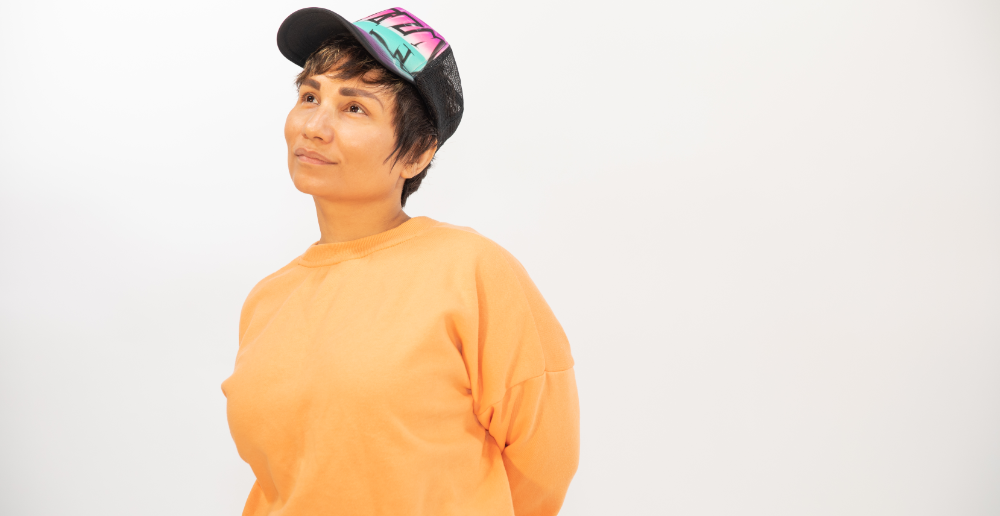
Within the Melodie composer community, artists such as Helena Czajka, Luna Pan, Thalia Skoppelos and Jenna Pratt are contributing their own perspectives to modern screen music. Each brings a distinctive creative voice shaped by collaboration, experimentation and a passion for storytelling.
Multi-award-winning Australian composer Helena Czajka has built an international career scoring film, television and documentaries across Europe and Australia. Known for her expressive orchestral writing and atmospheric hybrid scores, her music often blends classical composition with contemporary cinematic sound design.
Helena has worked on a wide range of screen productions and collaborative projects such as children’s favourite Bluey, bringing a strong storytelling instinct to each score. Her work frequently explores emotional nuance and dramatic tension, creating music that supports narrative without overwhelming it – a hallmark of many of today’s most compelling film score composers.
For Jenna Pratt, composing is an ongoing exploration:
“I learned to treat composing like a lifelong journey. It’s about pushing yourself, staying curious, and finding the courage to carve your own path.”
That spirit of curiosity is increasingly defining the next generation of film composers.
Rather than following a single established style, many composers today draw from a wide spectrum of influences – orchestral traditions, indie production, ambient textures and global musical cultures. The result is a richer and more diverse soundscape for screen storytelling.
Expanding Opportunities in Film Scoring
The growing visibility of female composers in film and TV is also changing how the industry supports emerging talent.
Mentorship initiatives, composer labs and industry programs are helping open doors that historically remained closed. Organisations, film festivals and screen agencies are increasingly investing in programs that support women in film music composition.
These initiatives are helping create pathways for new voices to enter the industry – which ultimately benefits storytelling itself.
Film music is one of the most powerful emotional tools in cinema. When a broader range of perspectives contributes to that creative process, the result is a more varied and expressive musical landscape.
The Next Generation
Perhaps the most exciting change is the influence these composers are having on the next generation.
Students and emerging musicians are seeing more women conducting recording sessions, composing orchestral scores and producing music for global film and television projects. That visibility sends a powerful message: screen composing is open to anyone with creativity, dedication and imagination.
The future of film and TV scoring will likely continue to evolve – blending orchestral tradition with new technology, global influences and experimental production techniques.
Many of the composers shaping that future will be women whose voices bring fresh ideas to the art of storytelling through music.
Discover Incredible Female Composers at Melodie
At Melodie, we’re proud to support a diverse community of composers who are helping reshape what music for film, television and content creation can be – powerful, personal and full of possibility.
This International Women’s Day, we celebrate the composers pushing the boundaries of screen music and inspiring the next generation of storytellers.
Explore music from female composers on Melodie – from cinematic orchestral scores to intimate indie soundscapes – and discover the voices shaping the future of screen music.
